The 10 Best Dental Crown Clinics in Da Nang (2026)
Chosen from 35 clinics, prices compared.
Updated
Dental crowns are among the most commonly performed restorations in Da Nang, with zirconia crowns starting from USD $112 and premium Emax ceramic from $200.
Dental crowns in Da Nang cost USD $60 to $300 per crown, depending on the material. Metal-porcelain crowns start at $60, zirconia crowns range from $112 to $250, and full ceramic Emax crowns cost $200 to $300. Most clinics complete the process in 2 to 3 visits over 3 to 5 days.
The cheapest dental crowns among the 10 clinics listed here starts at USD $61 at TGM Dental.
Cheapest of the 10
USD $61
Average of the 10
USD $135
Most Expensive of the 10
USD $260

Perfect 5.0 rating with 793 reviews. Walk-in friendly with fast, efficient service. Specializes in implants, fillings, and general dentistry on the main 2 Thang 9 corridor in Hai Chau.
Perfect 5.0 rating with 793 reviews. Walk-in friendly with fast, efficient service. Specializes in implants, fillings, and general dentistry on the main 2 Thang 9 corridor in Hai Chau.

Perfect 5.0 rating with 1,160+ reviews. Popular with New Zealand visitors for implants, crowns, and comprehensive dental work. Dr. Tuan Tu praised for skill and efficiency. State-of-the-art diagnostic equipment.
Perfect 5.0 rating with 1,160+ reviews. Popular with New Zealand visitors for implants, crowns, and comprehensive dental work. Dr. Tuan Tu praised for skill and efficiency. State-of-the-art diagnostic equipment.
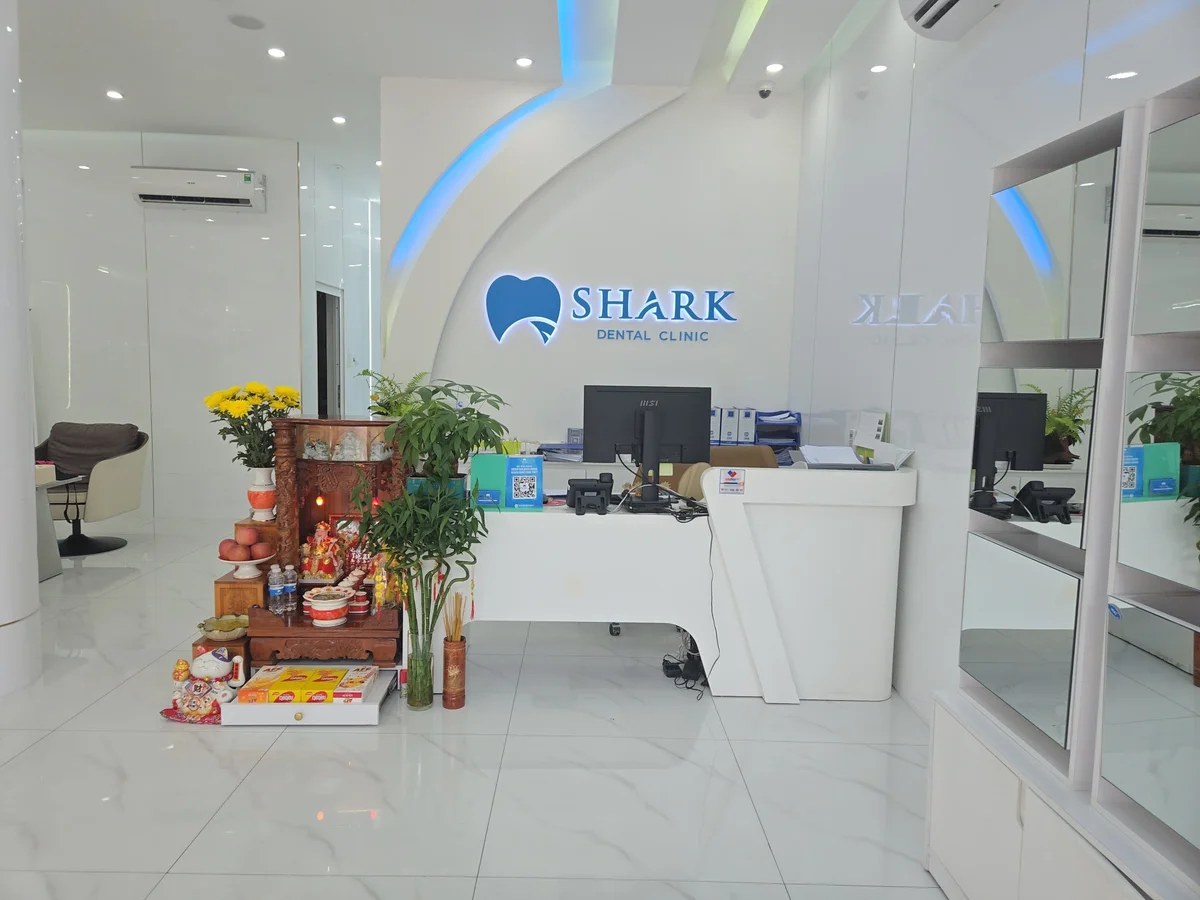
State-of-the-art facility with 4.9 rating and 499 reviews. 88 English reviews confirm strong international presence. Dr. Riah and Dr. Emily praised. Full range from cleaning to 20-crown restorations.
State-of-the-art facility with 4.9 rating and 499 reviews. 88 English reviews confirm strong international presence. Dr. Riah and Dr. Emily praised. Full range from cleaning to 20-crown restorations.
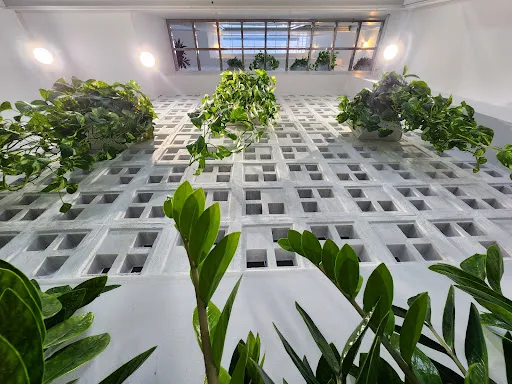
Da Nang's top international dental clinic with 116 English reviews and 13 English proficiency mentions. Dr. Bao and Dr. Nhi lead a skilled multi-dentist team. Australians choose this over home treatment. English website.
Da Nang's top international dental clinic with 116 English reviews and 13 English proficiency mentions. Dr. Bao and Dr. Nhi lead a skilled multi-dentist team. Australians choose this over home treatment. English website.
Hoi An's most international clinic with 136 English reviews and 22 English proficiency mentions. Insurance invoices available. NZ patients plan annual return trips. Dr. Dat praised. English website.
Hoi An's most international clinic with 136 English reviews and 22 English proficiency mentions. Insurance invoices available. NZ patients plan annual return trips. Dr. Dat praised. English website.

Highest review count in Da Nang with 1,365+ reviews and 4.9 rating. UK visitors call it the best dentist they have experienced. Fast walk-in service in central Hai Chau, steps from the Han River.
Highest review count in Da Nang with 1,365+ reviews and 4.9 rating. UK visitors call it the best dentist they have experienced. Fast walk-in service in central Hai Chau, steps from the Han River.
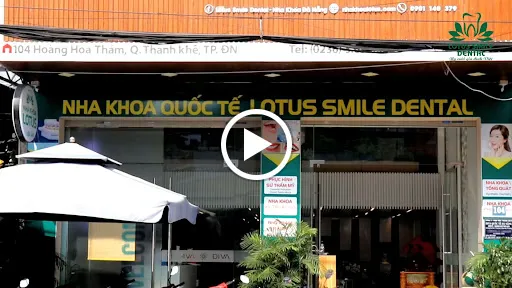
Da Nang's top international clinic with 4.9 rating and 875 reviews. 124 English reviews from foreign patients. Dr. Nhan and Dr. Long handle complex cases. Modern facility with strong English communication.
Da Nang's top international clinic with 4.9 rating and 875 reviews. 124 English reviews from foreign patients. Dr. Nhan and Dr. Long handle complex cases. Modern facility with strong English communication.

Central Hai Chau location with 4.9 rating and 738 reviews. Dr. Hien praised for careful, attentive technique. Excellent prices and friendly service. Popular with locals, welcoming to visitors.
Central Hai Chau location with 4.9 rating and 738 reviews. Dr. Hien praised for careful, attentive technique. Excellent prices and friendly service. Popular with locals, welcoming to visitors.

Nobel Biocare strategic partner with perfect 5.0 rating and 725 reviews. Specialist implant center with 8 named dentists. Known for fixing complex cases and thorough pre-treatment planning with CT scans.
Nobel Biocare strategic partner with perfect 5.0 rating and 725 reviews. Specialist implant center with 8 named dentists. Known for fixing complex cases and thorough pre-treatment planning with CT scans.
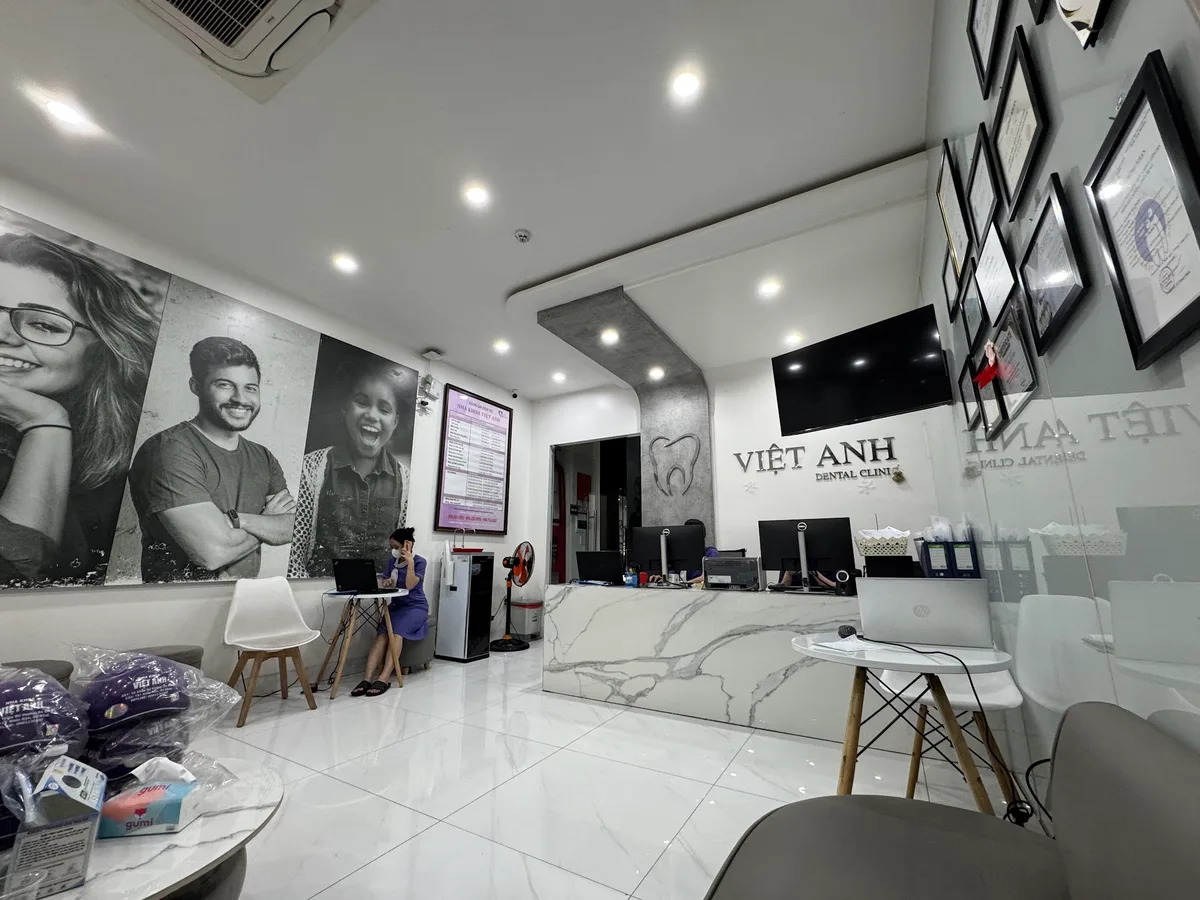
4.8 rating with 507 reviews. English-speaking team confirmed by 4 reviewers. Walk-in friendly with UK visitors praising value. Specializes in implants, crowns, and extractions in central Hai Chau.
4.8 rating with 507 reviews. English-speaking team confirmed by 4 reviewers. Walk-in friendly with UK visitors praising value. Specializes in implants, crowns, and extractions in central Hai Chau.
The best 10 of 35 Da Nang dental clinics for Dental Crowns, with published prices where available. Prices verified August 2026. Data source: clinic websites. Always confirm current pricing with the clinic directly before treatment.
Showing the best 10 of 35 clinics. See all 35 clinics →
Run a dental clinic in Da Nang? Ask us about being listed on this page
What Are Dental Crowns?
What Affects Dental Crown Prices in Da Nang?
Popular areas for this treatment include Hai Chau, Thanh Khe West, and Son Tra / My Khe, where most clinics are concentrated.
Patients considering this treatment also compare veneers, and root canal.
Related Articles
Price Guides
Da Nang Dental Prices vs Australia: How Much Can You Save?
Treatment-by-treatment comparison: implants, crowns, veneers, whitening. Real prices from Da Nang clinics vs Australian averages.
Read more →Safety
Is It Safe to Get Dental Work in Da Nang? What to Know Before You Go
Vietnamese dental regulation, clinic standards, what to check before booking, and how 35 Da Nang clinics compare on safety indicators.
Read more →Guides
What to Expect at a Vietnamese Dental Clinic: A First-Timer's Guide
From walking in to walking out: the consultation process, payment, communication tips, and cultural differences to be aware of.
Read more →Frequently Asked Questions
Dental crown prices in Da Nang range from USD $60 to $300 per crown. Metal-porcelain crowns cost $60 to $150, zirconia crowns $112 to $250, and full ceramic Emax crowns $200 to $300. Premium Cercon HT zirconia crowns start at $192. The price depends on the material and the clinic.
Emax pressed ceramic crowns are generally considered the best option for front teeth because of their superior translucency and natural appearance. They mimic the light-reflecting properties of natural enamel more closely than any other material. Zirconia crowns are also suitable but slightly less translucent. Metal-porcelain crowns are not recommended for front teeth as the metal margin can create a dark line at the gum.
The typical process takes 2 to 3 visits over 3 to 5 days. The first visit involves tooth preparation, impressions, and placement of a temporary crown. The dental lab then fabricates the permanent crown (2 to 3 days). The final visit is for fitting and cementation. Clinics with in-house labs may complete the process faster.
With proper care, dental crowns typically last 10 to 15 years. Zirconia crowns are the most durable and can last 15 to 20 years. Emax crowns last 10 to 15 years. Metal-porcelain crowns also last 10 to 15 years but may show aesthetic aging (dark gum line) sooner. Good oral hygiene and regular checkups extend crown lifespan.
A crown covers the entire tooth (360 degrees) and is used for damaged, weakened, or root-canal-treated teeth. A veneer covers only the front surface of the tooth and is primarily cosmetic. Crowns require more tooth reduction but provide more structural support. If your tooth is structurally sound and you only want cosmetic improvement, veneers are the better option.
In most cases, yes. A root-canal-treated tooth becomes more brittle because the pulp (which provided nutrients) has been removed. A crown provides essential protection against fracture, especially for back teeth that bear heavy chewing forces. Front teeth may sometimes function without a crown if enough natural tooth structure remains, but your dentist will advise based on your specific situation.
No. The tooth preparation is done under local anesthesia, so you feel no pain during the procedure. Some patients experience mild sensitivity for a few days after the temporary crown is placed, which resolves when the permanent crown is fitted. The fitting appointment itself is painless.
Yes, and it is common for dental tourists to get several crowns in one trip. Getting multiple crowns is actually more efficient because the preparation, impressions, and lab work happen simultaneously. Many clinics offer per-crown discounts when you need 4 or more. Plan for the same 3 to 5 day timeline regardless of the number of crowns.
A well-made crown should require minimal adjustment. During the fitting appointment, your dentist checks the bite, contacts with neighboring teeth, and gum fit. Adjustments are made chair-side before final cementation. If the crown needs to be remade, the dental lab fabricates a new one (usually overnight). Do not accept a crown that feels wrong, as an ill-fitting crown causes long-term problems.
Yes, a properly fitted crown functions like a natural tooth. You can eat all normal foods without restriction. Avoid habits like chewing ice, biting pen caps, or opening packages with your teeth, as these can damage both crowns and natural teeth. With reasonable care, your crown will feel and function indistinguishably from your other teeth.
Ready to Compare Clinics?
Browse all 35+ clinics side by side.